

Hiring an illustrator can feel like a leap of faith. You scroll through portfolios, find work you love, and hope the final piece looks the way you imagined. Sometimes it does. Sometimes it doesn’t, and the project ends up behind schedule, over budget, or simply not right for your brand.
Over the years, I’ve heard from clients about projects that didn’t go as planned. The good news is that there are excellent artists out there. It’s really about finding the right fit for your project. Here’s what I’ve learned from my side of the table about how to do that.
Talent Is the Starting Point, Not the Finish Line
A beautiful portfolio matters, but talent alone doesn’t guarantee a successful project. An illustrator can be incredibly skilled and still not be the right fit for you.
What makes the difference is the ability to really listen. A great illustrator takes in an art director’s or client’s direction, concerns, and ideas, and translates all of it into a piece that fits the brand and their audience. If that listening and translating doesn’t happen, the work won’t land, no matter how lovely it is on its own.
Beyond listening, the right illustrator is:
Flexible when feedback comes in and plans shift
Reliable about hitting deadlines they’ve committed to
Comfortable with the technical side of the project, not just the creative side
A Real Example: The ChocZero Advent Calendar
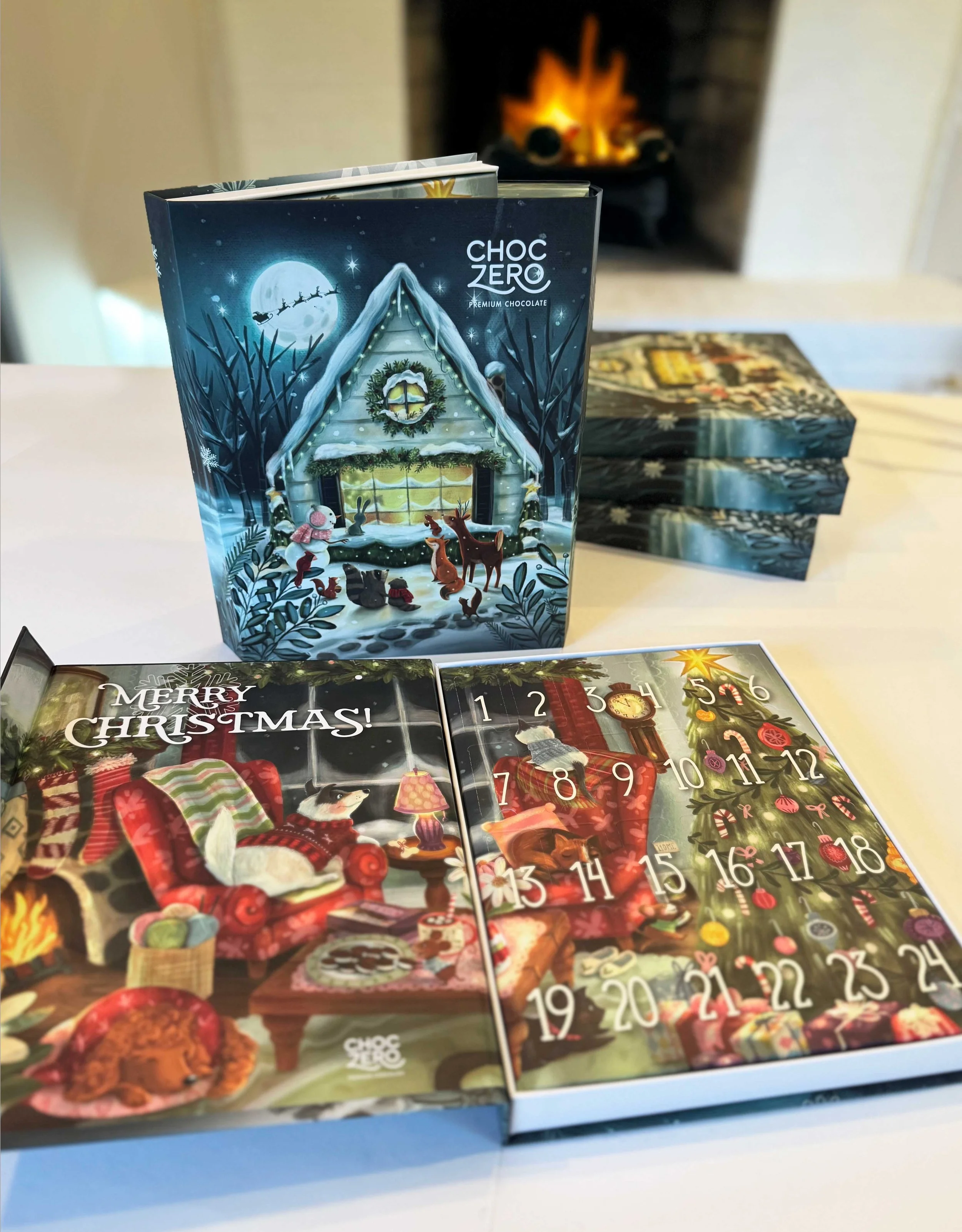
For the past two years, I’ve illustrated the ChocZero Advent calendar. It’s a project I love, and it’s a good example of what happens when the fit is right.
How the Partnership Started
ChocZero worked with a package design agency on the calendar, and the agency found me through my website or Instagram. They really liked my work and felt it would be an excellent fit for what they had in mind. That’s an important point for anyone hiring: they started by looking at my existing body of work and recognizing that my style already matched their vision.
What the Project Needed
The goal was to convey warmth, nostalgia, and a cozy Christmas feel. The timeline was about four weeks. I worked with both the agency team and the ChocZero team to develop the look of each calendar.
There were also real technical requirements. I had to work within a dieline the agency supplied. The cover needed to be eye catching on the shelf, and the interior illustration had to flow nicely through the numbered section of the calendar.
Why It Worked
We made an excellent team. The communication was clear, the client had an idea of what they were looking for, and I still had the freedom to let my style shine through. That balance of clear direction and creative trust is often where the best work happens.
My background as a package designer also helped a great deal. I understand dielines and final output specifications, so the files were set up correctly from the start. That’s one less thing for the client and agency to worry about, and it’s part of why they came back for a second year.
What Happens When the Fit Is Wrong
Even talented artists can be the wrong fit for a particular project. Here are two situations I’ve heard about that show why it’s worth looking beyond the artwork.
In one case, a deadline slipped after it had been committed to, which set the company back in production. Timelines can shift for all kinds of reasons, but for a product with a launch date or seasonal window, it’s important to talk openly about what’s realistic from the start.
In another case, the artist didn’t have experience working with dielines. The illustration itself may have been fine, but the company had to hire someone externally to make sure the file was set up correctly for production. That’s added cost and added time that nobody planned for.
Neither of these problems shows up in a portfolio. That’s why it’s worth looking beyond the artwork when you’re choosing who to hire.
How to Vet an Illustrator for Your Project
If I were sitting across the table from a client who was starting their search, this is what I’d recommend.
Look at Their Full Body of Work
Get access to their portfolio, their Instagram, or both, and take a look at their broad body of work. One standout piece is nice, but a consistent body of work tells you much more about what you can expect.
Consistency matters for another reason, too. AI-generated images are becoming more common, and while they’re getting better and harder to spot, there are still telltale signs. As you look through someone’s work, watch for:
Hands with extra or warped fingers, or limbs that bend in odd ways
Objects that seem to melt, morph, or blend into one another
Lettering or text that looks garbled or doesn’t quite form real words
Characters whose features change from one piece to the next
Patterns where motifs blur together or don’t connect in a logical repeat
A style that shifts dramatically from piece to piece, with no clear artistic voice
You can also ask to see sketches, works in progress, or process shots. A working illustrator can usually show you how a piece came together from first idea to finished art, and it’s perfectly reasonable to ask directly whether they use AI.
This matters for more than authenticity. If you’re paying for artwork or licensing it for your products, you want to know it’s original and that the rights you’re buying are solid. For my part, every piece I create is hand-drawn and painted digitally, stroke by stroke, with no AI, ever.
Make Sure Your Vision Matches Their Style
Picture what you want your final project to look like, then ask yourself honestly whether it aligns with this artist’s work. Most artists won’t take on a project that doesn’t match their style. If one does accept a project that isn’t a natural fit, you may not get the outcome you were hoping for. Hiring someone whose style already lines up with your vision sets everyone up for success.
Confirm They Can Handle the Technical Requirements
If your project has specific technical guidelines, such as dielines, print specifications, or particular file formats, make sure the artist is comfortable working with them. Ideally, they’ll have direct experience. Ask about it upfront. It’s a simple question that can save you from rebuilding files later.
Pay Attention to How They Listen
Your first conversation is a good preview of the working relationship. Notice whether they ask thoughtful questions about your brand, your audience, and your goals, and whether they reflect your ideas back clearly. An illustrator who listens well at the start is much more likely to deliver work that fits.
Talk Openly About the Timeline
Share your deadline early and ask whether it’s realistic for them. A dependable illustrator will tell you honestly what they can commit to, and then hold to it.
The Right Illustrator Is Out There
Choosing an illustrator isn’t only about finding beautiful work. It’s about finding someone who listens, understands your brand, respects your timeline, and knows how to deliver files that are ready for production. When those pieces come together, the process feels collaborative and the final result is something you’re proud to put your name on.
If you’re working on a packaging, product, or illustration project and wondering whether my style might be a fit, I’d love to hear about it. Take a look through my portfolio, and if it feels like a match, reach out and let’s talk about what you have in mind.
Before You Go
If you enjoyed this post, I’d love for you to join my newsletter for new posts, studio updates, and first word when my own line of goods launches. You can also follow along on Instagram at @studio8design.illustration for new work and behind-the-scenes moments from the studio.